
 Small Koi Deals
Our Furry pets

Caring for rabbits is a mix of good housing, proper diet, regular health checks, and daily interaction. They’re often seen as low-maintenance pets, but that’s a bit misleading—rabbits need consistent, attentive care to stay healthy.
Housing & environment
Rabbits need a safe, spacious area where they can move freely. A small cage isn’t enough long-term—think of it as a “home base,” not their entire world. Ideally, give them a large pen or let them roam in a rabbit-proofed room. Keep the space clean, dry, and away from extreme temperatures (they don’t tolerate heat well).
Diet (this is critical)
A rabbit’s digestive system depends heavily on fiber:
Hay (about 80% of diet): Unlimited fresh hay like timothy hay keeps their teeth and gut healthy.
Fresh vegetables: Leafy greens like romaine lettuce, kale, and coriander daily.
Pellets: Only a small portion—too many can cause weight gain.
Water: Always clean and available (a bowl is often better than a bottle).
Avoid sugary treats and foods like iceberg lettuce or anything processed.
Health & grooming
Rabbits groom themselves, but they still need help:
Brush them regularly, especially long-haired breeds.
Check nails and trim them every few weeks.
Watch for signs of illness: loss of appetite, lethargy, or changes in droppings can be serious.
Find a vet experienced with rabbits (not all vets are).
Also, their teeth grow continuously—chewing hay and safe toys helps keep them worn down.
Social needs & behavior
Rabbits are social animals and can get lonely. Spend time interacting with them daily, and consider bonding them with another rabbit if possible. They’re intelligent and can be litter-trained, but they also need mental stimulation—chew toys, tunnels, and space to explore help a lot.
Handling
Rabbits are fragile, especially their backs. Always support their hind legs when picking them up, and don’t force handling if they’re nervous—build trust gradually.
Cleaning routine
Spot-clean daily (remove soiled bedding/litter)
Full clean weekly
Keep food and water areas hygienic
If you’re planning to get a rabbit, it’s worth thinking about how much time you can realistically give—it’s closer to caring for a cat than a hamster in terms of commitment.
We do not stock Rabbits anymore. We have just left this information on for reference.
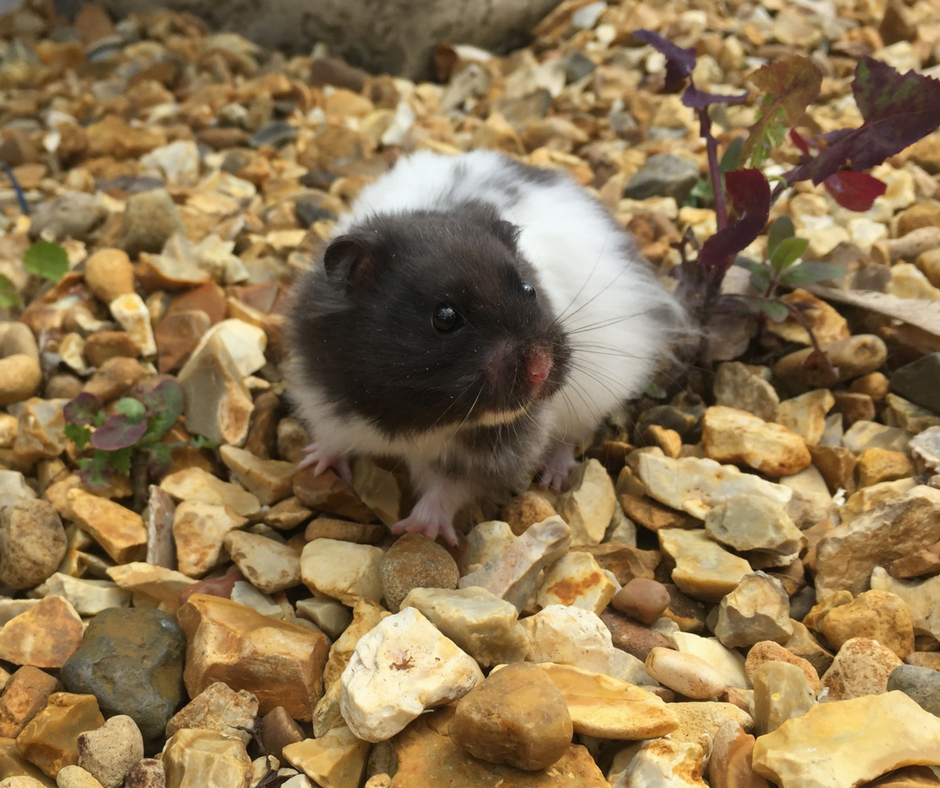
Housing & setup
Syrian hamsters need much more space than typical pet shop cages provide.
Minimum enclosure: about 100 x 50 cm floor space (bigger is better)
Deep bedding (20–30 cm) for burrowing—they love to dig
Solid exercise wheel (at least 28–30 cm diameter) to prevent back issues
Hideouts, tunnels, and chew toys for enrichment
Use paper-based or aspen bedding (avoid pine/cedar—they can harm their respiratory system).
Diet
A balanced diet is key:
Main food: High-quality hamster mix (not just pellets—variety matters)
Fresh foods: Small amounts of veg like cucumber, broccoli, carrots
Protein: Occasional mealworms or boiled egg
Treats: Sparingly—hamsters gain weight easily
Water: Always fresh (bottle or bowl)
Avoid citrus, onions, garlic, chocolate, and sugary foods.
Cleaning routine
Spot clean every few days (remove soiled bedding)
Full clean every 2–4 weeks (don’t over-clean—it stresses them)
Hamsters actually rely on their scent to feel secure, so keeping some old bedding helps.
Behavior & handling
Syrian hamsters are strictly solitary—never house them together (they will fight).
They’re nocturnal, so expect activity at night
Handle gently and regularly to build trust
Avoid waking them suddenly—they can bite if startled
🩺 Health care
Teeth grow continuously—chew toys are essential
Watch for signs of illness: weight loss, wet tail (a serious condition), lethargy
Keep their enclosure dry and clean to prevent infections
Enrichment
They’re very curious and need stimulation:
Scatter feeding (hide food around the cage)
Sand bath (for cleaning and natural behavior)
Rotating toys and tunnels
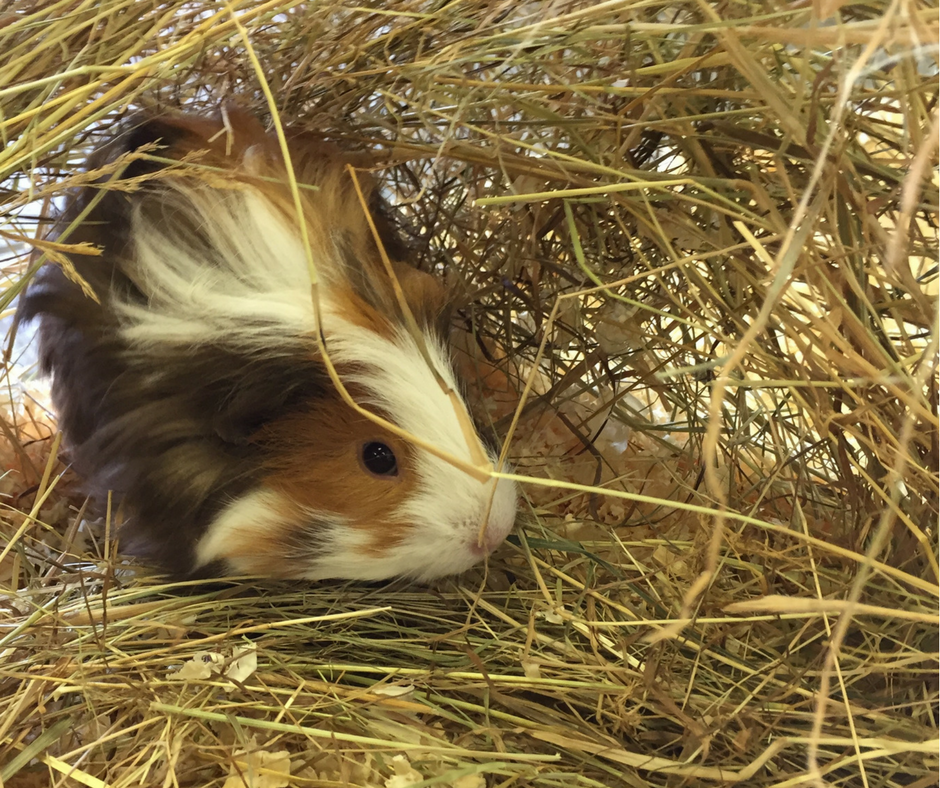
Guinea pigs are gentle, social pets, but they need consistent daily care and more space than people often expect. Here’s how to keep them healthy and happy:
Housing & space
A proper enclosure is essential. Aim for at least 120 x 60 cm for one guinea pig, bigger for pairs. They should always have:
Solid flooring (no wire bottoms—it hurts their feet)
Soft bedding like paper-based or fleece
A hiding spot (they’re prey animals and need somewhere to feel safe)
Keep them indoors in a quiet area, away from drafts and direct heat.
Diet (very important)
Guinea pigs have specific dietary needs:
Hay (about 80%): Unlimited timothy hay keeps digestion and teeth healthy
Fresh veg daily: Bell peppers, leafy greens (like romaine), cucumber
Vitamin C: They must get this daily since they can’t produce it themselves—bell peppers are great for this
Pellets: A small amount of high-quality guinea pig pellets (with added vitamin C)
Water: Fresh and always available
Avoid iceberg lettuce, onions, garlic, and sugary fruits in excess.
Vitamin C is critical
A lack of vitamin C can cause a condition similar to scurvy—look out for symptoms like lethargy, swollen joints, or poor appetite.
Social needs
Guinea pigs are highly social. It’s strongly recommended to keep at least two together (same sex or neutered pair). A lone guinea pig can become lonely and stressed.
Cleaning routine
Spot clean daily (remove wet bedding and droppings)
Full clean at least once a week
Clean environments prevent odors and health issues.
Handling & behavior
They’re usually gentle but easily startled:
Pick them up carefully, supporting their body
Let them get used to you slowly
They communicate with sounds—“wheeking” often means excitement (usually about food!)
Health care
Their teeth grow constantly—hay helps wear them down
Watch for signs of illness: weight loss, messy fur, reduced eating, or breathing issues
Find a vet experienced with small animals
Enrichment
Provide tunnels, chew toys, and safe things to explore. Even simple cardboard boxes can keep them entertained.
One thing to be aware of: guinea pigs require daily feeding of fresh vegetables and regular cleaning, so they’re not a “low effort” pet.
We do not stock Guinea Pigs anymore. We have just left this information on for reference.

Gerbils are inquisitive, friendly animals that rarely bite and make good pets for children of all ages. They are easy to look after, hygienic, and sociable. They love digging! Unlike hamsters, Gerbils should not be kept on their own but in same sex pairs or groups. They generally live for 3 to 5 years and are most active during the evening and at night.

Domestic rats are clean, highly intelligent and social animals which enjoy human company and make wonderful family pets. They should not be confused with the wild rat, although they belong to the same species. As long as they are handled correctly from infancy they can share your home quite safely, they are clean and docile animals. They need companionship and at least an hour of exercise each day outside their cage – so make sure you are able to devote this time to them. Like most rodents, rats should be kept in single sex pairs or groups to prevent unwanted litters of babies. They generally live for 2 to 3 years.
special offers


Filters


Accessories


Filters


Filters


Pond and Garden

Koi Food

